
Austin kitchen cost guide
How Much Does a Kitchen Remodel Cost in Austin?
Austin kitchen remodel costs vary widely by scope. Focused updates may begin around $10,000, many standard remodels fall between $25,000 and $75,000, and major transformations can exceed $75,000.
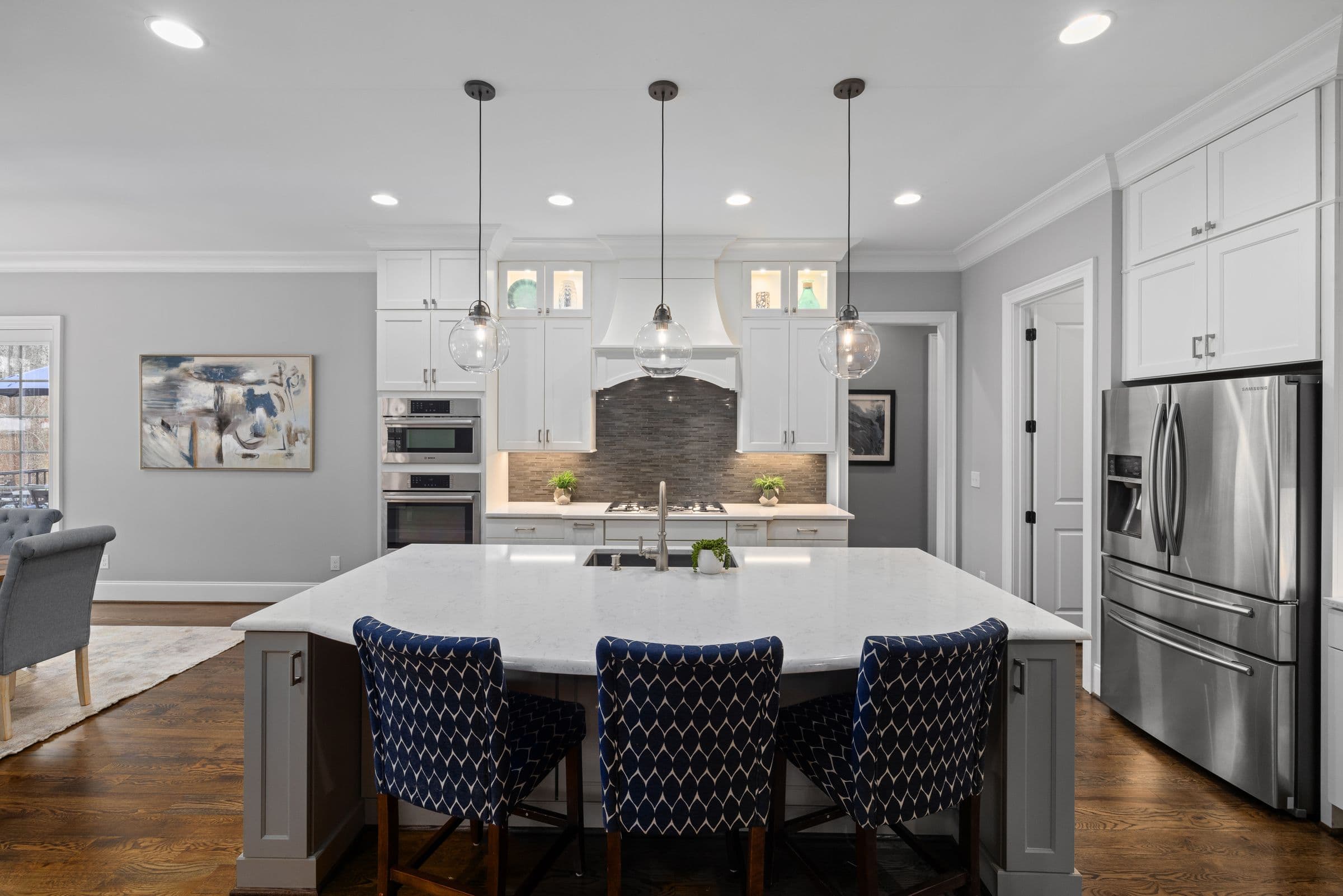
A kitchen remodel in the Austin area can cost roughly $10,000 to $25,000 for focused updates, $25,000 to $75,000 for many standard remodels, and $75,000 or more for a major transformation. Those are planning ranges synthesized from current public Austin-area cost guides—not fixed New Life pricing or a quote for your home.
The real number follows the scope. Keeping the layout and improving cabinets, counters, paint, tile, hardware, lighting, or flooring is very different from moving walls, changing utilities, ordering custom cabinetry, rebuilding several surfaces, and connecting the kitchen to a larger interior renovation.
The useful answer
Decide what must change first. Then price that actual scope in the actual room. A site visit and written estimate will tell you more than a national average ever can.
Austin kitchen remodel cost ranges by scope
Published local guides do not agree on one average because they measure different projects. Some include small cabinet refreshes; others describe full construction with custom products. Grouping the work by scope gives homeowners a more practical starting point.
Planning note: these broad ranges reflect public Austin-area remodeling guides reviewed in July 2026. They are educational estimates only. Home size, selections, site conditions, labor, permit requirements, and final scope can move a project below or above them.
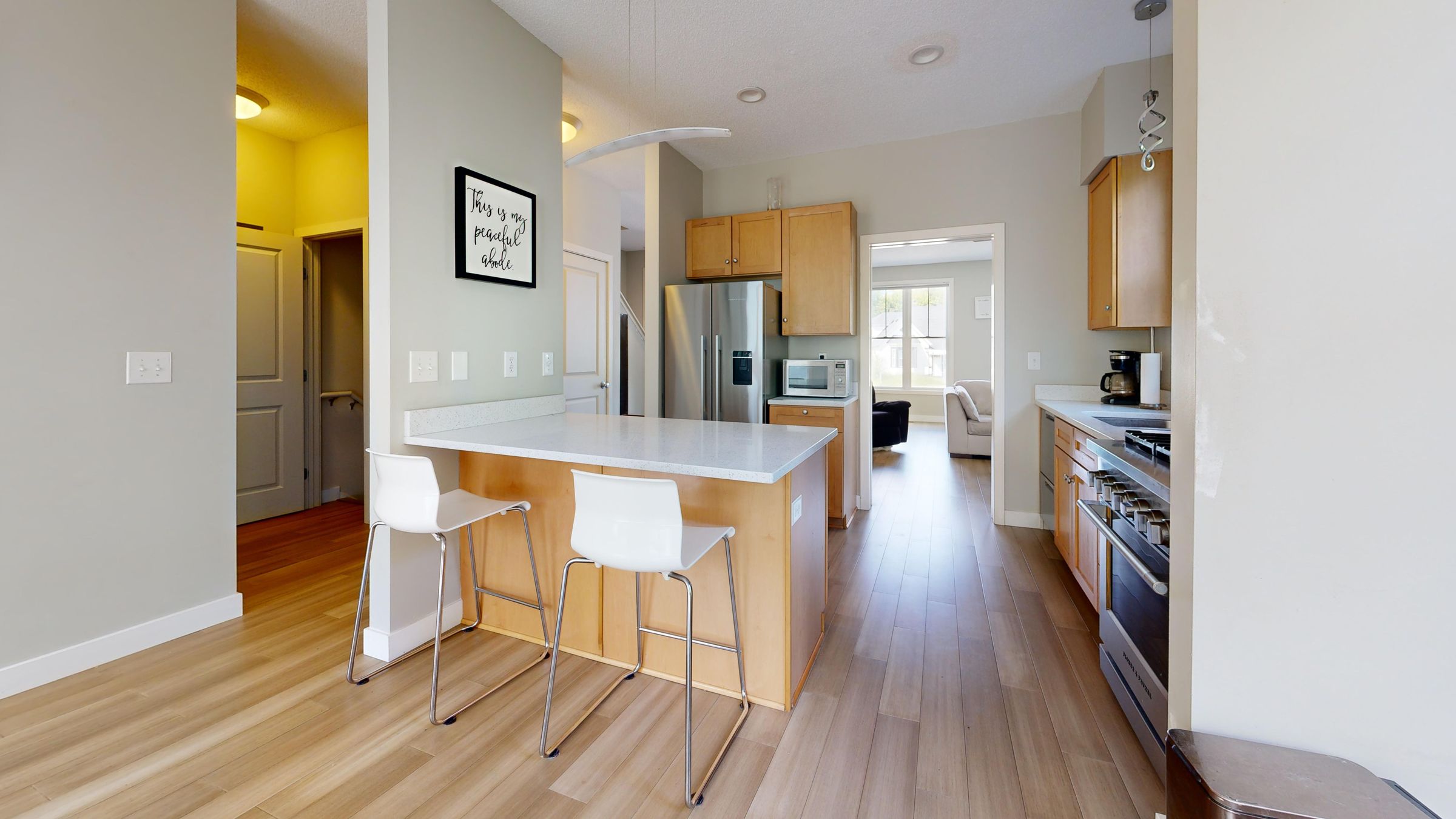
What each budget level may include
Focused update: improve what is already working
A focused update keeps the basic footprint and puts money into the surfaces people see and use every day. Depending on the kitchen, that may mean cabinet painting or selective cabinetry, new hardware, interior paint, a backsplash, updated counters, targeted lighting, or flooring. The advantage is not simply spending less; it is avoiding the cost and coordination that come with rebuilding a workable layout.
Standard remodel: coordinate the whole room
A standard remodel usually addresses several systems together: cabinets, countertops, backsplash, sink and faucet, flooring, paint, lighting, appliances, trim, and finish transitions. The room may look completely different even if the major appliance and utility locations remain familiar. This is the range where a clear selection list matters, because several medium-sized choices can add up quickly.
Major transformation: change how the space functions
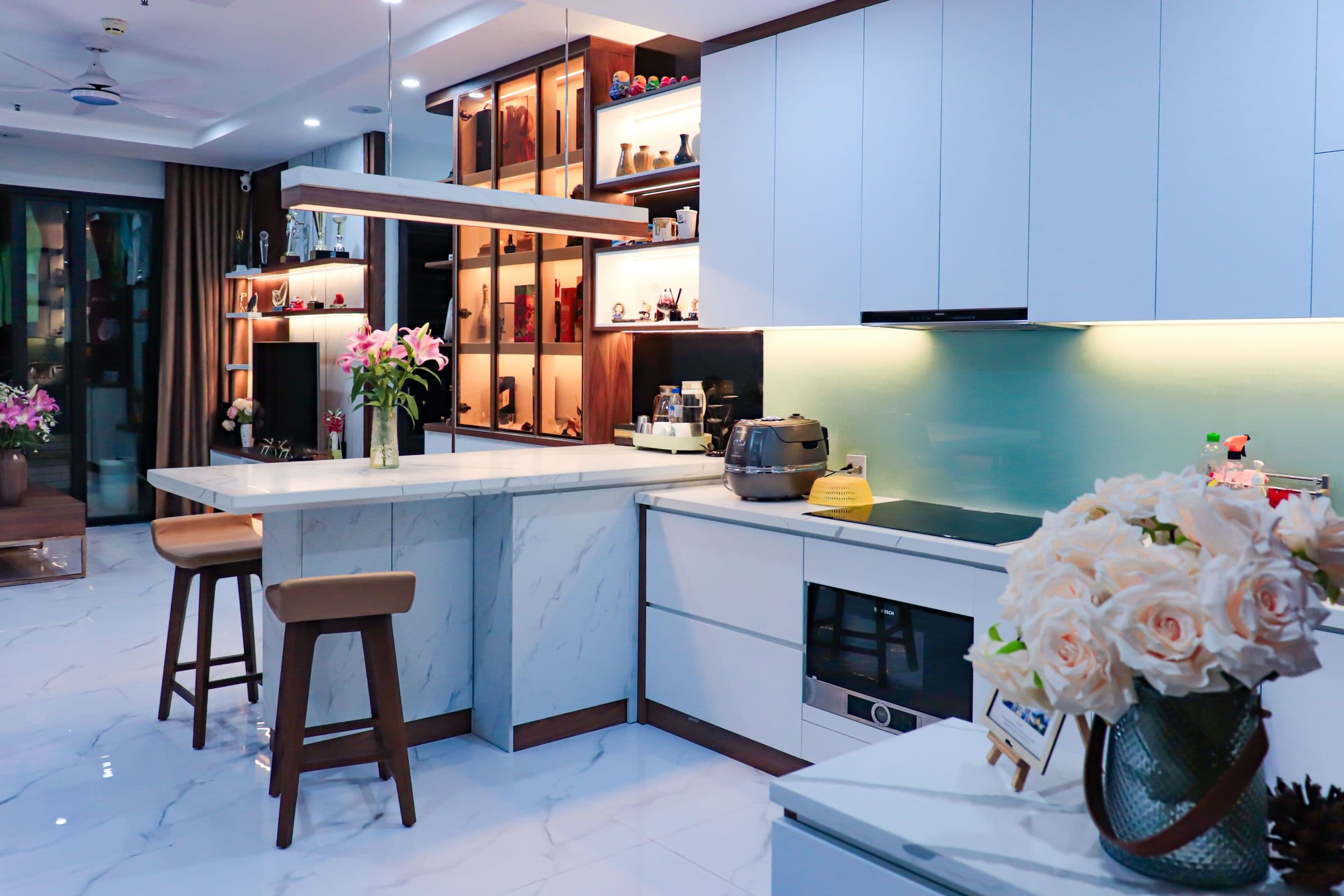
Major projects go beyond finishes. They may remove or change walls, rework openings, alter the kitchen footprint, add an island, expand cabinetry, coordinate specialty trades, use custom products, or extend new flooring and finish work into nearby rooms. The budget grows because the project touches more parts of the house—not just because the materials look more expensive.
What changes the cost most?
Two kitchens with the same square footage can have completely different budgets. These are the decisions that usually create the biggest separation.
Layout and demolition
Keeping sinks, appliances, openings, and walls in workable locations is usually less involved than rebuilding the room around a new plan.
Cabinetry
Cabinet count, construction, door style, finish, storage accessories, panels, trim, and installation details can make cabinetry one of the largest variables.
Countertops and backsplash
Material, slab quantity, edge details, seams, fabrication, wall area, tile pattern, and substrate preparation all affect the finished cost.
Appliances and ventilation
Size, fuel type, electrical needs, clearances, delivery, panels, and ventilation can change more than the appliance purchase price.
Flooring and connected rooms
A new kitchen floor may need to transition into a dining room, hallway, or living area. Matching height and finish can expand the practical scope.
Existing conditions
Once finishes come out, damaged subfloor, uneven walls, old connections, framing issues, or previous repairs may need attention before new work can continue.
How to control the budget without making the kitchen feel cheap
Cost control is mostly about putting money where it changes daily use. Start with the problems you are trying to solve: poor storage, worn finishes, dark work areas, difficult traffic flow, damaged floors, or a layout that truly does not function.
- Keep a workable layout. If the sink, range, refrigerator, doors, and openings already function, retaining their general locations can avoid unnecessary reconstruction.
- Choose one or two priorities. Better cabinetry and practical storage may matter more than premium finishes on every surface. Another homeowner may value counters and lighting most.
- Finish selections before work begins. Decisions made late can affect availability, sequence, substitutions, and schedule.
- Separate allowances from known prices. Ask which materials are selected, which are budget placeholders, and what happens if the final choice costs more or less.
- Plan for hidden conditions. A contingency gives you room to handle repairs that could not be seen before demolition without sacrificing the finish work at the end.
What not to cut blindly
Surface preparation, safe connections, ventilation, cabinet installation, countertop support, subfloor repairs, and clean finish transitions may not be the glamorous part of a remodel, but they help the visible work fit and perform correctly. Ask what is behind each line item before removing it from the scope.
Austin permits can depend on what changes
Permit needs are scope-specific. The City of Austin says an interior remodel permit can be required when a project includes structural changes or new or relocated plumbing fixtures. Its express-permit program may cover qualifying kitchen remodels when walls and plumbing fixtures are not relocated, although separate trade permits may still apply.
Requirements can also differ by jurisdiction, property, and approved work. A home in Austin may follow a different process from one in Leander, Cedar Park, Round Rock, Georgetown, Pflugerville, Lakeway, or Bee Cave. Confirm the current requirements for the actual address rather than assuming every kitchen follows the same path.
Official references: City of Austin permit types and City of Austin express permits.
Cost and timeline move together
More scope usually means more decisions, ordering, demolition, coordination, and finish work. A focused update can move in weeks, while a substantial remodel may take several weeks to a few months after planning and material lead times. Read our Austin kitchen remodeling timeline guide for the phase-by-phase breakdown.
Kitchen remodel cost FAQs
What is the average cost of a kitchen remodel in Austin?
Public Austin-area cost guides show a very wide range. A focused update may cost about $10,000 to $25,000, many standard remodels fall around $25,000 to $75,000, and major transformations can exceed $75,000. Your actual estimate depends on the room, scope, materials, layout, and existing conditions.
What is the least expensive way to update a kitchen?
Keeping the existing layout and focusing on high-visibility finishes usually controls cost best. Painting or refreshing cabinets, changing hardware, updating paint or backsplash, and making targeted lighting or flooring improvements can create a meaningful change without rebuilding the entire room.
What makes kitchen cabinets expensive?
Cabinet cost changes with the number and size of cabinets, construction method, door style, finish, storage features, hardware, installation conditions, and whether the layout requires custom pieces or panels. Keeping a workable cabinet layout can reduce both material and labor changes.
Should I include a contingency in my kitchen budget?
Yes. A contingency helps cover conditions that cannot be confirmed until demolition, such as damaged subfloors, wall repairs, outdated connections, or framing adjustments. The appropriate amount depends on the age of the home and the amount of work being opened up.
Does an Austin kitchen remodel need a permit?
It depends on the scope. The City of Austin says structural changes and new or relocated plumbing fixtures can require an interior remodel permit, while qualifying projects without those changes may use an express permit. Trade permits can still apply. Confirm requirements for the actual address and approved scope before work begins.
How can I get an accurate kitchen remodeling estimate?
Start with a site visit and a clearly defined scope. Share what must change, which finishes you prefer, whether the layout is staying, and any connected flooring, drywall, trim, painting, or nearby rooms that should be included. A written estimate based on the actual space is more useful than a price guessed from photos.
Get a kitchen estimate based on your home
New Life Painting and Remodeling handles focused kitchen updates, full remodels, and connected interior work across the Austin area. See our kitchen remodeling service, or compare related scopes including whole-home remodeling, flooring installation, and tile installation.
Research note
Planning ranges were compared across current Austin-area cost guides, including Build Austin TX, Cabinetto, Stone Ridge Cabinetry, and MHM Remodeling. Public guides use different definitions and are not a substitute for a property-specific estimate. New Life did not supply fixed project prices for this article.
Free estimates
Want a real kitchen estimate for your home?
Tell us what you want to change, where the project is located, and which finishes matter most. We'll follow up to discuss the next practical step.