
Austin bathroom timeline guide
How Long Does a Bathroom Remodel Take?
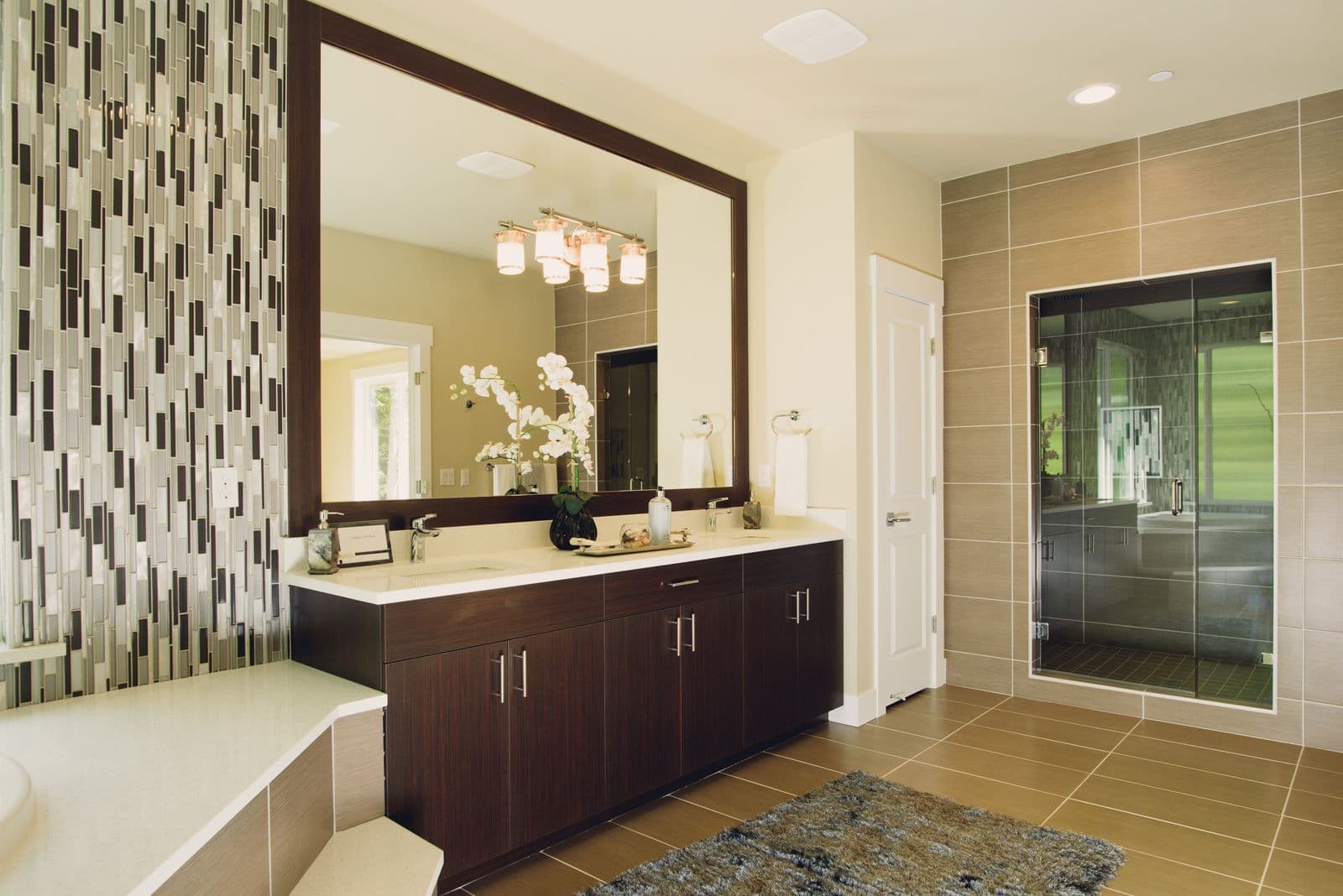
A focused bathroom update may take 1 to 2 weeks, many full bathrooms take 3 to 6 weeks of active construction, and larger primary-bath remodels can take 6 to 10 weeks or longer. Planning, materials, and permits may add time before work begins.
By New Life Painting and Remodeling · Published
A focused cosmetic bathroom update may take about 1 to 2 weeks. Many full guest or secondary bathroom remodels take about 3 to 6 weeks of active construction, while a substantial primary-bathroom remodel can take 6 to 10 weeks or longer. Planning, selections, material lead times, scheduling, and permits—when required—happen before that construction window and can add several more weeks.
Those are planning ranges, not a promise for every room. A vanity-and-paint update is fundamentally different from rebuilding a shower, repairing substrates, relocating fixtures, installing extensive tile, waiting for custom glass, and coordinating several finishes in a primary suite. The most accurate schedule comes after the room and requested scope have been reviewed.
The practical answer
Separate the total project timeline from active construction. A bathroom may require weeks of planning and ordering before demolition, even when the work inside the home takes only a few weeks.
Bathroom remodeling timelines by scope
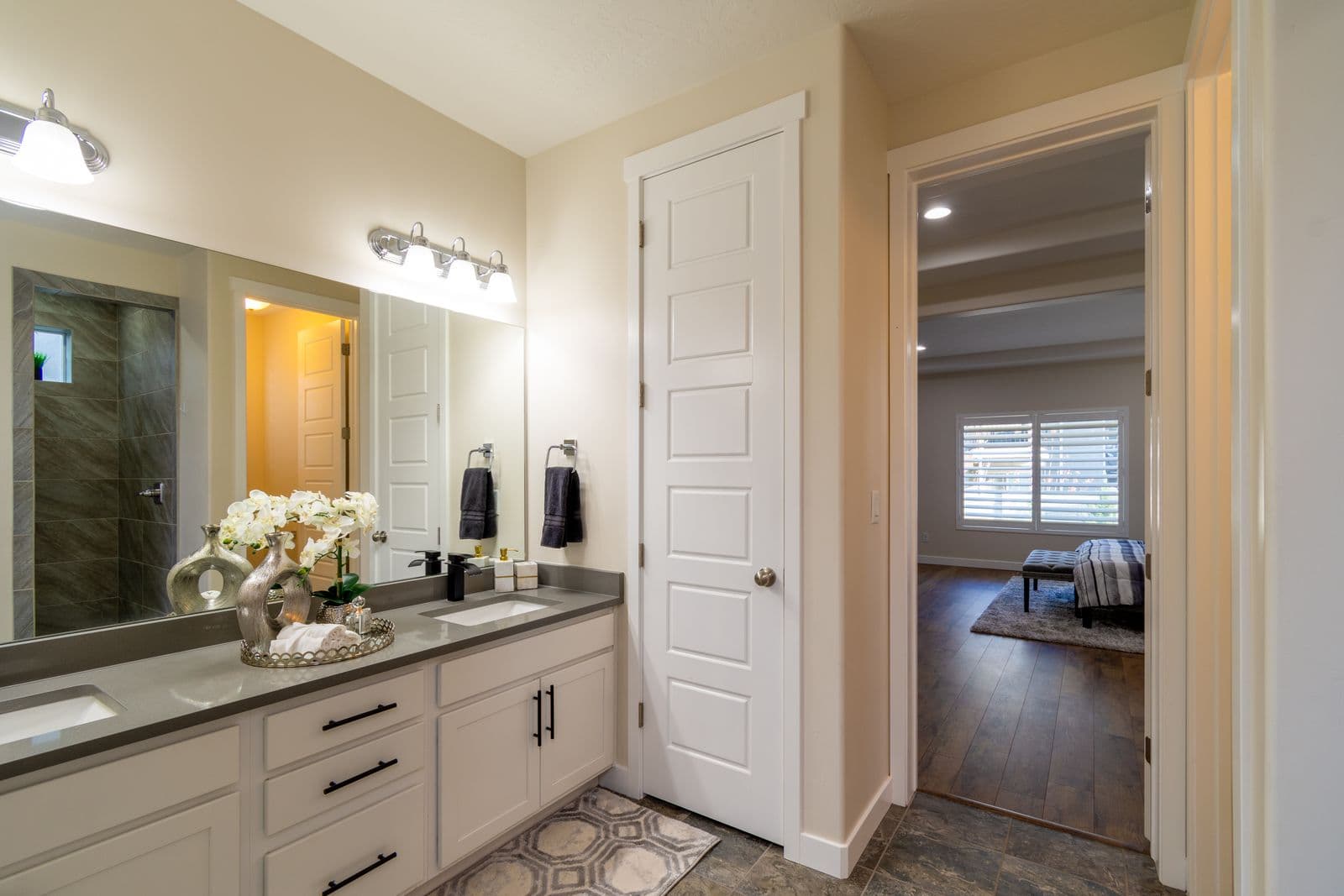
Scope is the clearest predictor of time. A focused update retains the working layout and most underlying surfaces. A full remodel coordinates the entire room. A larger primary bathroom may combine a custom wet area, more fixtures, extensive tile, storage, lighting, glass, and connected construction.
A small bathroom is not automatically a fast bathroom. Compact rooms can still require careful waterproofing, detailed tile cuts, utility coordination, curing time, and custom glass. Conversely, a larger room with a straightforward layout and readily available materials can sometimes move more predictably.
What happens before the bathroom is under construction?
Homeowners often count the timeline from the first demolition day. A contractor has to count from much earlier. Before work begins, the room needs a defined scope, the estimate needs approval, important selections need to be resolved, availability must be checked, and the work must fit into a realistic schedule.
Conversation and site visit
The first conversation establishes what is not working: an aging shower, poor storage, damaged surfaces, an awkward vanity, inadequate lighting, difficult cleaning, or a room that no longer fits daily needs. A site visit gives that list physical context. Measurements, fixture locations, access, transitions, and visible conditions help turn general ideas into a requested scope.
Selections and compatibility
Tile, vanity size, countertop, sink, faucet, shower system, tub, toilet, lighting, mirrors, hardware, glass, and paint affect more than appearance. Their dimensions and installation requirements influence framing, rough work, backing, clearances, transitions, and order of operations. Making key decisions early reduces the chance that one unavailable item stops several later steps.
Material lead times and scheduling
In-stock materials may be available quickly. Special-order vanities, unusual tile, custom counters, specialty fixtures, and shower glass can take longer. The start date should be based on the approved scope and a sensible material plan—not only the first open day on a calendar.
A phase-by-phase bathroom remodel timeline
Bathroom work follows dependencies. Waterproofing cannot be rushed because tile is waiting. Glass cannot be finalized correctly before the finished opening exists. Paint and trim should not get in the way of work that still creates dust or moisture. A clear sequence protects both the schedule and the finished room.
Why waterproofing and tile often set the pace
Wet-area work includes more than placing attractive tile. Substrates must be suitable, the shower must manage water correctly, waterproofing needs proper coverage, and products need their required curing time. Layout also matters: niches, benches, corners, drains, valves, edges, glass locations, and transitions must make visual and practical sense together. Rushing these steps to save a day can create a much larger problem later.
Why custom glass comes later
Frameless shower glass is commonly measured after finished tile establishes the real opening. That protects fit, but it also means fabrication can extend beyond the main tile work. The shower may look close to finished while one final specialty item is still in progress.
What can make a bathroom remodel take longer?
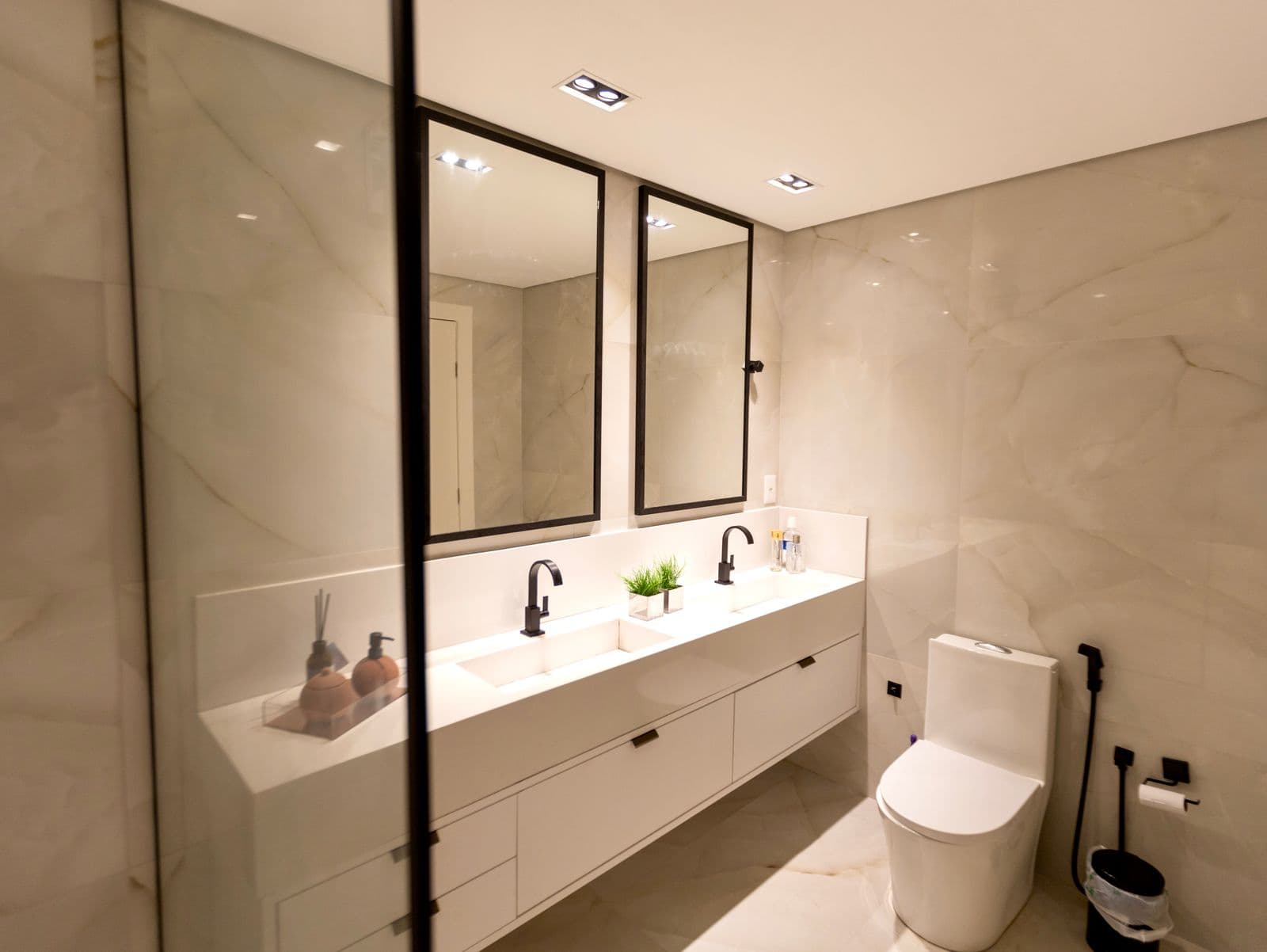
The largest schedule changes usually come from decisions and conditions, not from a single slow day. A transparent plan should identify the factors that can be controlled and leave room for the ones that cannot be confirmed before demolition.
Late selections
Changing tile, fixtures, vanity, glass, or layout after work has started can affect ordering, dimensions, rough work, and several following steps.
Unavailable materials
Backorders and damaged shipments can stop installation when the missing item is required before another surface or fixture can be completed.
Hidden moisture or damage
Bathrooms may conceal damaged subfloor, weak framing, deteriorated drywall, previous leaks, or unsuitable substrates that need repair before new finishes.
Layout and fixture changes
Relocating a toilet, shower, tub, vanity, wall, or doorway adds demolition, rebuilding, and coordination that a same-layout remodel avoids.
Inspection timing
When permits and inspections apply, the project must reach specific checkpoints before covered work or later finishes can proceed.
Added scope
It is easy for a bathroom project to expand into an adjoining closet, bedroom flooring, doors, trim, drywall, or painting. Those additions deserve their own time in the schedule.
Plan around your bathroom
Want a realistic schedule for the room you have?
A useful timeline starts with the actual space, the requested scope, and the materials that need to come together. We can help turn those details into a practical next step.
Describe the bathroom
Tell us what is not working and what you want the finished room to do better.
Share your priorities
Let us know whether timing, storage, accessibility, wet-area work, or specific finishes matter most.
Plan the actual scope
We can review the room and prepare a free written estimate around the requested work.
Free estimates · English and Spanish communication
New Life Painting & Remodeling
Primary bathroom transformation
Real New Life project walkthrough
See the documented progression from construction through the completed bathroom details.
What if your home has only one bathroom?
A one-bathroom home changes the planning conversation. There may be portions of the project when the shower, toilet, vanity, or entire room cannot be used. Ask about the expected outage windows before scheduling so you can decide whether staying elsewhere, coordinating with family, or creating another practical arrangement is necessary.
The goal should not be a vague promise that the room will always remain usable. The better approach is a clear sequence: when demolition begins, when essential fixtures are expected to be disconnected, which milestone restores basic use, and what work may remain afterward. Product availability and hidden repairs are especially important because an unexpected delay has a bigger daily impact when no second bathroom exists.
Before work begins, confirm:
- which fixtures will be unusable and for approximately how long
- whether all essential products are available before demolition
- how access, dust protection, cleanup, and work hours will affect the home
- who should be contacted when a decision is needed quickly
- what temporary living arrangement makes sense if the room cannot be used
How homeowners can help keep the schedule moving
- Define the must-haves first. Separate required repairs and daily-use problems from optional upgrades so decisions do not restart every time the budget or schedule is reviewed.
- Make connected selections together. Tile, grout, fixtures, glass, vanity, counter, lighting, mirror, hardware, and paint should be considered as one room rather than isolated purchases.
- Avoid starting around uncertain materials. A scheduled demolition date is not useful if a critical vanity, shower component, or tile is still unavailable without a workable alternative.
- Respond to decisions promptly. Questions discovered during construction can affect the next trade or finish. A clear communication path reduces idle time.
- Keep added work visible. If the scope expands, add the cost and time intentionally instead of expecting extra rooms or finishes to fit inside the original schedule.
Austin permits and inspections can affect timing
Permit needs depend on the approved scope and the property jurisdiction. The City of Austin identifies bathroom remodeling among residential permit-related work and notes that structural changes and new or relocated plumbing fixtures can require an interior remodel permit. Applicable trade permits or inspections may also be involved. A cosmetic refresh that leaves the layout and underlying systems alone is not the same permitting question as a project that moves walls or fixtures.
Austin says inspections are usually performed about 24 hours after scheduling, although availability can push an inspection to the next business day or later. That does not mean every bathroom adds the same number of days. It means the construction sequence should account for required checkpoints before work is concealed or the next phase begins.
Review current requirements through the City of Austin permit types, residential building permit, and building inspection resources. Requirements can differ outside Austin.
Bathroom remodel timeline FAQs
How long does a full bathroom remodel usually take?
Many full guest or secondary bathroom remodels take about 3 to 6 weeks of active construction. A substantial primary-bathroom remodel may take 6 to 10 weeks or longer. Planning, selections, ordering, scheduling, and permits when required happen before construction and can add several more weeks.
Can a bathroom remodel be completed in one week?
A focused cosmetic update may fit into about one or two weeks when the layout, wet area, and most underlying surfaces remain in place. A full remodel involving demolition, waterproofing, tile, fixtures, and several finish stages usually needs more time.
What part of a bathroom remodel takes the longest?
Wet-area preparation and tile often set the pace because substrate work, waterproofing, layout, setting, curing, grouting, and finish transitions must happen in sequence. Material lead times and custom shower glass can also extend the overall timeline.
Can I use my bathroom during the remodel?
Not reliably throughout a full remodel. Demolition, plumbing work, waterproofing, tile, and fixture installation can make the shower, toilet, vanity, or entire room unusable for periods of time. Homeowners with one bathroom should confirm expected outage windows before scheduling.
What commonly delays a bathroom remodel?
Late selections, backordered materials, hidden moisture or substrate damage, layout changes, added work, custom glass, and required inspections are common schedule factors. Defining the scope and confirming important materials before demolition helps reduce avoidable delays.
Does a bathroom remodel in Austin require a permit?
It depends on the approved scope and property jurisdiction. The City of Austin indicates that structural changes and new or relocated plumbing fixtures can require an interior remodel permit, and applicable trade permits or inspections may also be involved. Confirm current requirements for the actual address and planned work.
Plan the timeline around your actual bathroom
New Life Painting and Remodeling handles focused bathroom updates and full bathroom remodels across the Austin area. Start with our bathroom remodeling service page, compare budget considerations in our Austin bathroom remodel cost guide, or view the documented primary bathroom transformation featured in this article.
If the requested work includes extensive surfaces or connects to other rooms, explore our tile installation and whole-home remodeling pages for related planning considerations.
Research note
This guide compares current bathroom-remodel timeline guidance from Angi and Modernize, then adds Austin-specific permit and inspection context from official city resources. The ranges are educational planning guidance, not a fixed construction schedule or guarantee for a particular New Life project.
Free estimates
Want a realistic bathroom timeline for your home?
Tell us what you want to change, where the project is located, and what timing you have in mind. We'll review the room and discuss the next practical step.